


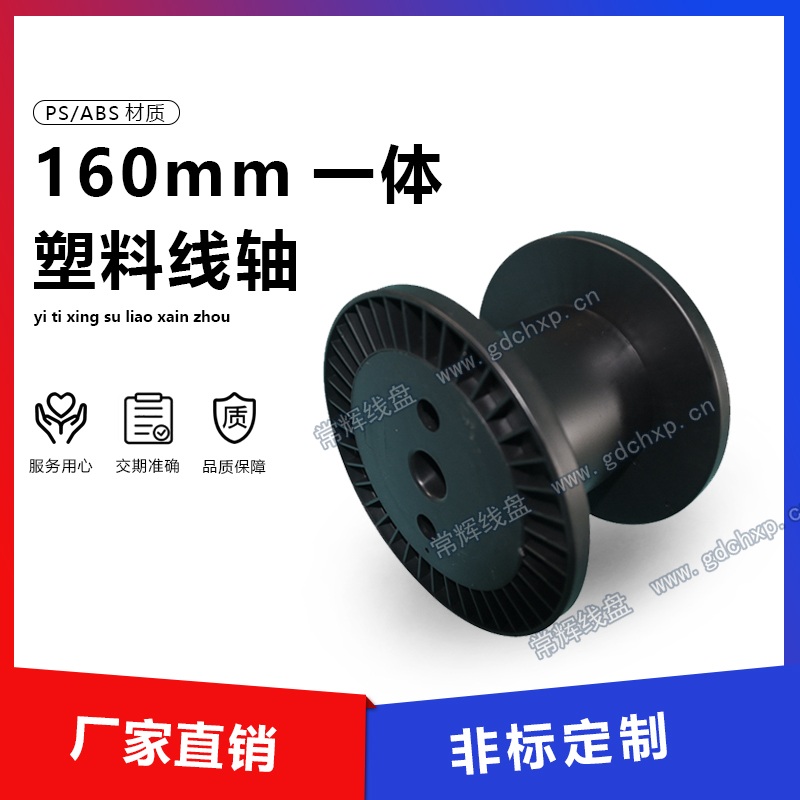
Changhui's public 160 integrated plastic reel page and main image help identify the product, and the image visibly carries a PS/ABS material label. This label shows the scope of material discussion on the page, but it does not by itself prove the material, grade or formulation of a particular supply. It does not replace a project drawing, sample record or purchase requirement.
In an RFQ, separate the material statement into mandatory requirements, alternatives that the supplier may propose, and items that remain open. Writing only “as shown” or listing several material names without priority can cause the buyer and supplier to quote different product bases and validation scopes.
Connect every material requirement to a defined product and, where needed, a defined area. An integrated reel is shown as a complete product, but the main image does not establish the material composition of every region. Record the current basis and identify whether it comes from a drawing, sample, customer file or confirmed discussion.
Colour, surface condition and visible appearance may support identification, but they do not confirm material. Similar-looking reels may have different requirements, and one material name does not automatically define all performance. Without a current document or test evidence, an assumption should remain an open item rather than a confirmed fact.
If the purchasing requirement changes after quotation, retain the earlier requirement and change date, then confirm whether the quotation, sample and inspection basis must be updated. An older image or order can remain a historical reference, but it should not override the current written requirement.
Changhui Spool Manufacturer's public 160 integrated plastic reel page is an identification and RFQ resource. Final material, dimensions, equipment fit and acceptance criteria still need item-by-item confirmation against the current product and project documents. The public image is not an approved sample for a specific order.