


A plastic reel requirement may be accompanied by drawings, a physical sample, phone photographs and written messages. More material does not always produce a clearer requirement. If a drawing states one dimension, the sample indicates another and a photograph appears to show a different construction, choosing one source independently can leave every party working from a different basis. Organising the relationship among the sources comes before a quick conclusion.
Start with an inventory that records each item's name, source, date, version and purpose. A drawing can state dimensions and construction requirements; a sample can show the current physical condition; photographs help identify areas remotely; written notes may describe use or the background to a change. These sources serve different roles. The most visually direct item is not automatically authoritative for every question.
Locate a conflict at item level. Is the flange diameter different, the bore position inconsistent, the assembly arrangement changed, or the drawing version disconnected from the sample's origin? Writing that the information differs is not enough for a review. If a photograph lacks scale or does not show the area clearly, mark that limitation; do not estimate a physical dimension from perspective, cropping or camera angle.
The responsible parties should define the current basis and its priority, rather than leaving the recipient to guess. Confirm which drawing applies to this request, whether the sample is a functional reference, appearance reference or an object for re-measurement, and whether a written change has entered the effective drawing. If the reply resolves only part of the conflict, keep the remaining items open instead of treating partial confirmation as full agreement.
Record the result in a concise current-basis list that names the effective version, confirmation date and superseded material. Older files may remain in the history, but they should not remain in the active execution entry point. When forwarding the package, use file names and notes that allow procurement staff, users and the spool manufacturer to recognise the same version. Important verbal additions also need a traceable record in the agreed form.
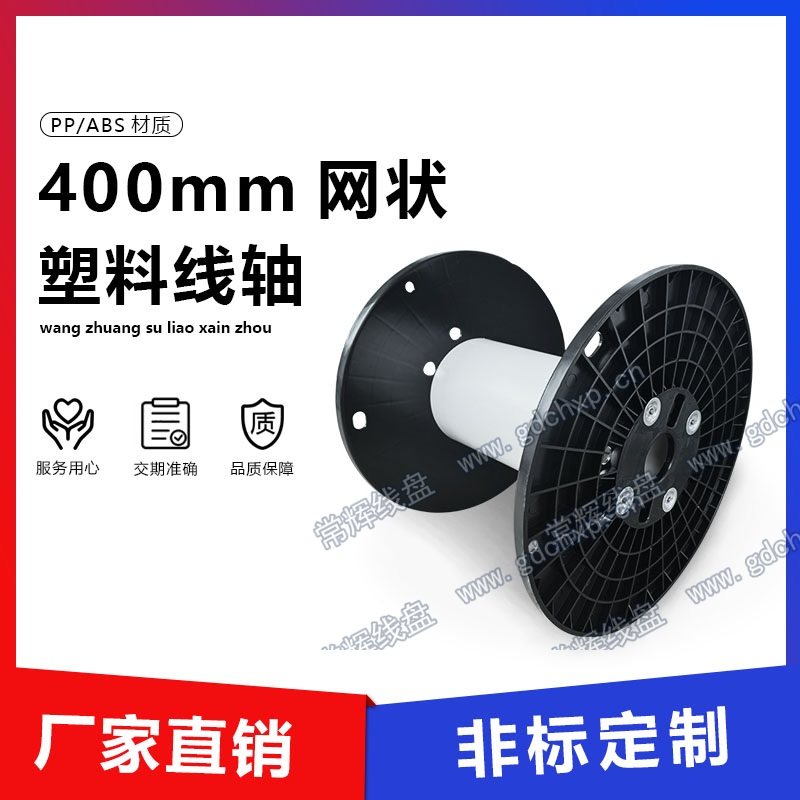
Before manufacture, sampling or use, check again that units, measurement locations, construction combinations and use conditions are complete. Changhui Spool Manufacturer's public custom reel specification guide can help organise the questions, but it does not replace project-specific agreement. This article does not treat drawings, samples or photographs as automatically infallible, and the image is a general product illustration unrelated to a customer drawing, project or reported quality event.
Related link: Changhui custom reel specification guide.