


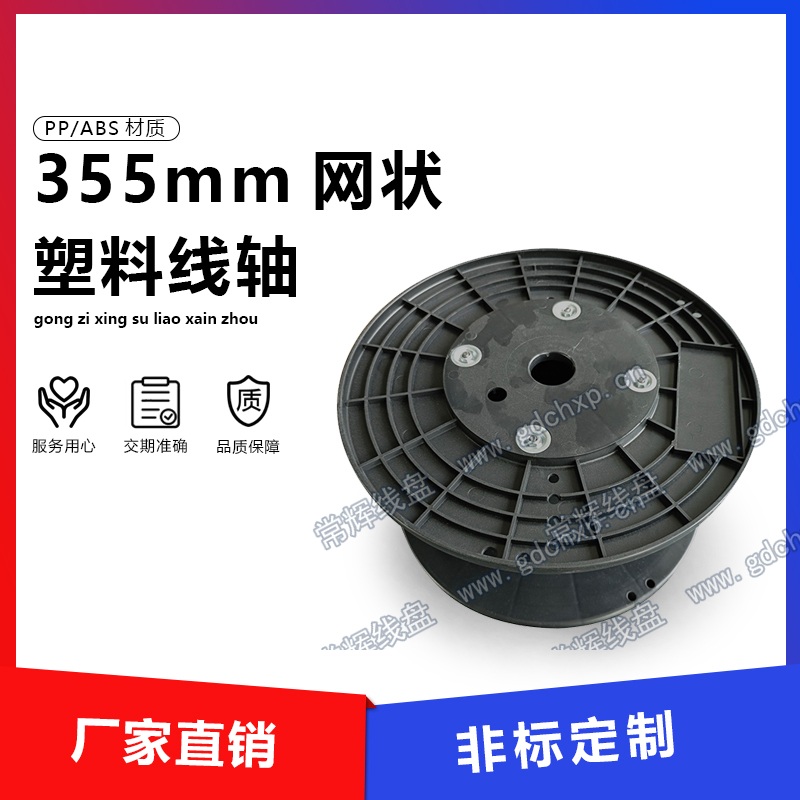
Changhui's public specification guide recommends checking drawings and machine interfaces, inspecting sample dimensions and material, and validating winding or pay-off on the actual equipment before mass production. This article explains how to organise records around that guidance. It is not an announcement of a completed test or a performance claim for a model. The illustration is a product example, not a trial photograph.
Begin by identifying exactly what was tried: sample reference, model or drawing revision, and its known condition beforehand. Give each sample its own record if several are assessed on the same day. Otherwise, observations from one spool may be assigned to another model. Mark unverified dimensions or material as unknown rather than assuming they match an older sample.
Record the conditions actually covered, including the equipment or interface reference, wound material, loading situation, operating stage and duration. Values must come from the actual record, with units and sources. This article sets no universal test thresholds. Follow equipment requirements and the agreed procedure; do not exceed permitted conditions to obtain data or retrospectively mark unperformed checks as completed.
Describe observations so another person can review them: the location, the stage at which they occurred and any corresponding photographs or video. Separate what was observed from a proposed explanation. An unconfirmed cause remains an interpretation or open question. Seeing no obvious abnormality does not by itself prove a service life, speed limit or load rating.
Compare findings with the requirements established before the trial and distinguish confirmed, pending and untested items. If the sample, machine, material or conditions change, identify whether the earlier record still applies. A result for one sample on one occasion must not automatically become acceptance of other sizes, all operating conditions or a complete supply batch.
When sending trial feedback to Changhui, group the sample reference, condition sheet, observation evidence and open questions together, retaining the date and basis for any confirmation. After review, identify whether more information, another trial or a further approval step is needed. A traceable record is more useful to a plastic spool manufacturer than a general statement that the reel works, without turning incomplete validation into a commitment.